

Apples for Babies & Toddlers: How to Serve at each Age & Stage
Reading time:
Reading time:
By Leah Hackney, RD, LD, CSP.
Apples are one of those core staple foods every family loves. From first tastes to toddler lunch boxes, they’re familiar, versatile, naturally sweet and can be enjoyed in a variety of ways. Apples for babies are one of the most popular first fruits, but due to their hard texture it’s important to make sure they’re offered safely according to your child’s developmental stage and feeding skills.
For babies who are just starting solids, this often means it’s best to start with soft cooked apples in either wedge shapes, mashed, or as a purée.
As they grow into toddlerhood, the shape and texture can be adapted to their developmental stage, and apples often become a fun, everyday snack to grab on the go.
Babies can start eating apples from around 6 months, when they show the signs of readiness for solids such as good head and trunk control, sitting with minimal or no assistance, bringing food to their mouth, and showing an interest in eating.
Offering apples early is a great way to expose little ones to a variety of naturally sweet tastes and textures. For more on the safety considerations around introducing fruit and other early foods, Solidstarts’ guide to apples is a helpful reference. If you’re starting solids and want more guidance, you may also enjoy Starting Solids: Helping Your Baby Learn to Self-Feed.
Each child develops at their own pace and has their own feeding journey, but these stage-by-stage ideas can help guide you.
How do I prepare apples for my 6-7 month-old? At this developmental stage, aim for soft textures that are easy to mash with gums, and avoid hard round shapes. At 6 months, babies use their palmar grasp, picking up objects with their whole hand. If you choose to start with finger foods, it’s recommended to offer larger soft cuts, as this can help them learn to take bites and makes it easier for them to pick up and self-feed.
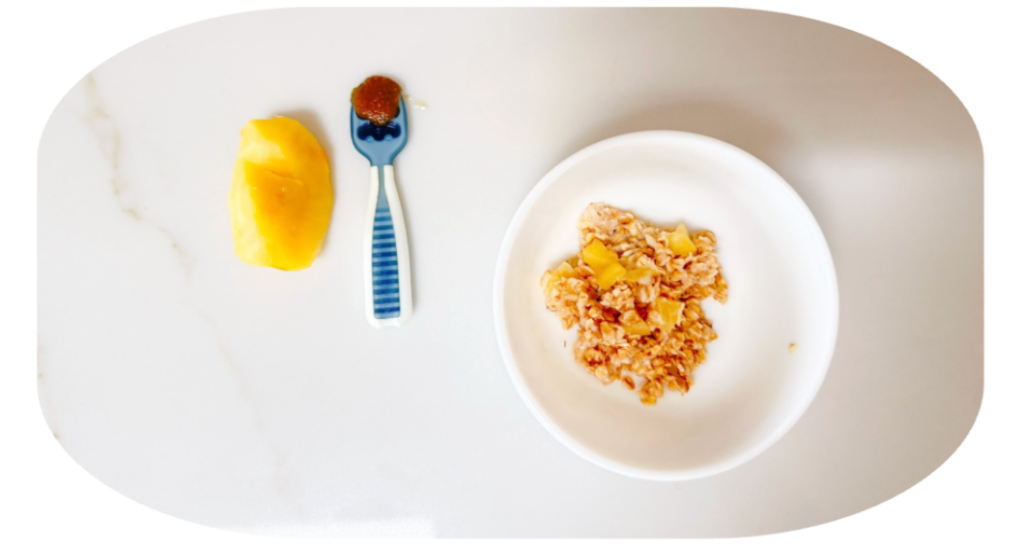
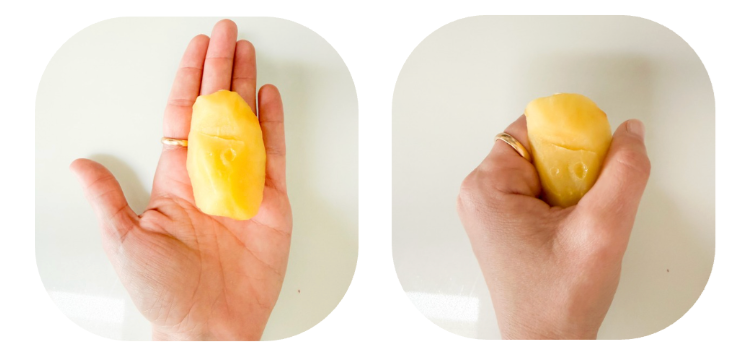
If you’re wondering how to boil apple for baby, boiling (along with steaming or baking) is one of the easiest ways to soften apples until they’re fork-tender and easy to mash.
Try:
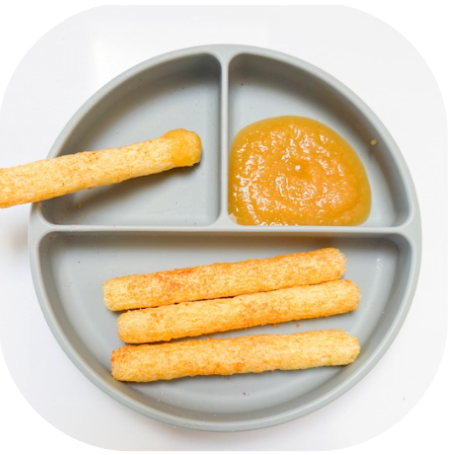
For general serving guidance by age, Starting Solids Australia’s guide to serving apples is another useful resource.
You may also find Introducing Solids: Spoon Feeding vs Baby-Led Weaning (BLW) helpful.
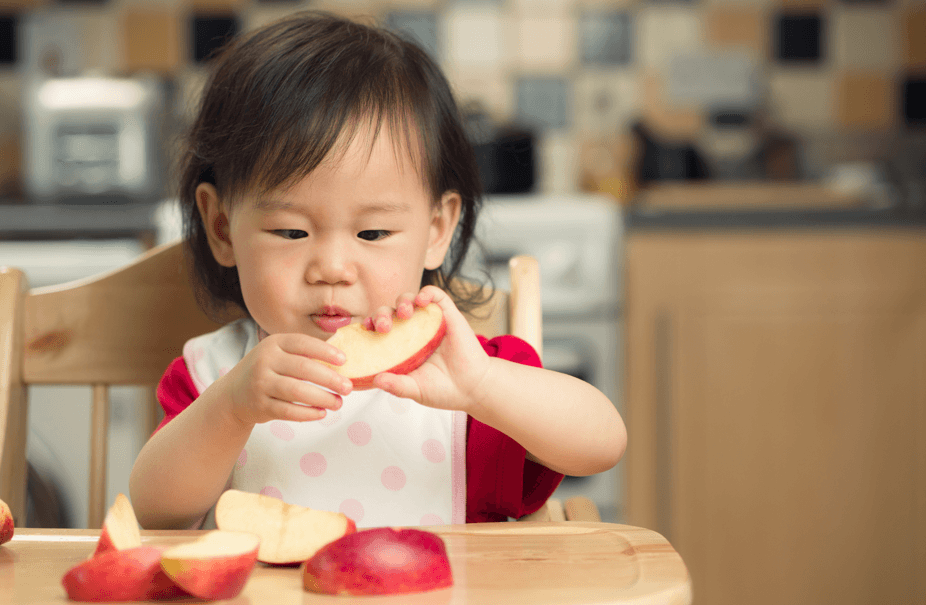
As chewing and hand coordination improve, babies are often ready for more texture, and they start transitioning from their palmar grasp to their pincer grasp. If you have already offered finger foods, you can start cutting food into smaller pieces for them to practice picking up with their thumb and forefinger.
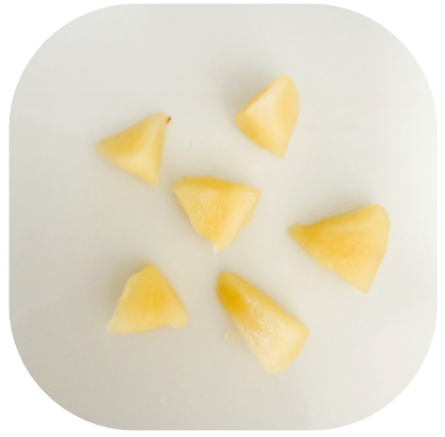
Try:
This is also a great time to continue texture progression. Read more in Introducing Textures to Babies.
Easy Apple Snack Ideas for Babies:
From 6-12 months, apple snacks can be small or just another opportunity to learn a new food or meet nutrient needs.
Try:
Handy stage options:
For little ones exploring dissolvable finger foods, Organic Apple & Cinnamon Puffs can be a practical, age-and-stage appropriate snack for flavor exploration on the go. Organic Apple & Berry Softcorn can be a simple option for snack variety when you need something convenient.
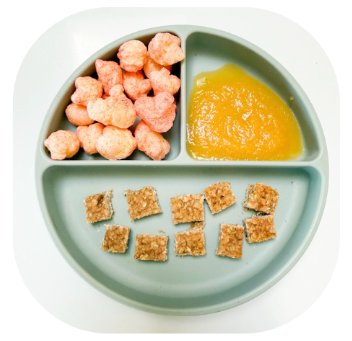
Toddlers often want more autonomy at meals, but they’re still developing their chewing skills. Now is when you can start offering more raw options, in thin cuts, or a whole apple, and practice safe chewing.
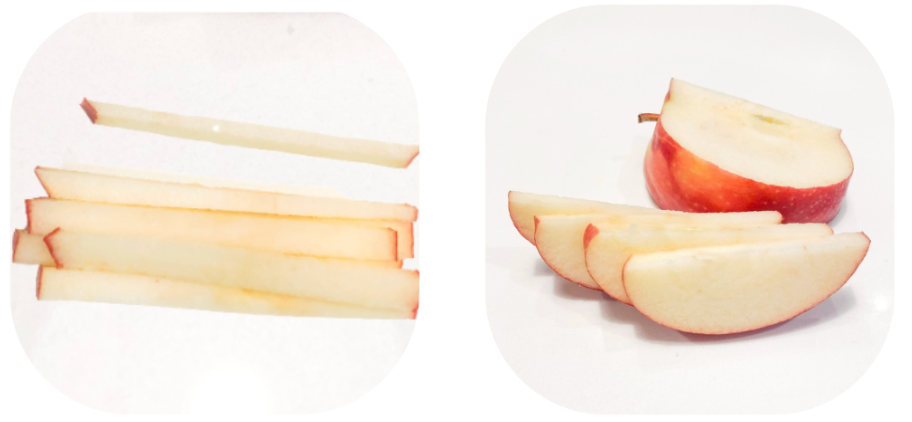
At 12 months, try:
Around 18+ months: You can start offering a whole apple and teach them how to take bites while seated and supervised.
Closer to 2-3 years: You can start offering thicker apple slices.
To help prevent snack-time meltdowns and keep them full until the next meal, think of snacks as “mini meals” with a protein, carbohydrate, and fat offered in a reasonable balance.
Handy stage option: Organic Raspberry & Apple Nibblers (12+ months) can be a helpful addition to your snack rotation while continuing to offer fresh fruit too.
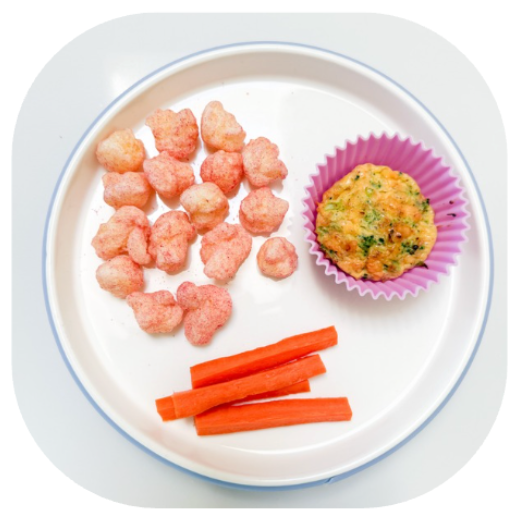
We all try to offer fresh fruit when we can, but real life also calls for convenience when we’re on the go. With busy mornings, activities, multiple kids, and travel, parents often need quick, wholesome snacks they can pair with a fruit or veggie to lighten the mental load. Packaged apple snacks made with simple ingredients, designed for specific ages and stages, can be part of a balanced diet. Try not to think of something out of a package as immediately “good” or “bad,” but rather think about how you can add a variety of whole foods where it makes sense.
Some days look like homemade roasted cinnamon apples, and other days it looks like grabbing a baby snack and a banana for the diaper bag before swim lessons. Both have a place. For toddler snack inspiration, visit Nourishing Your Toddler: Breakfast Ideas, Snacks and Picky Eating.
Key takeaways with apple packaged snacks:
Apples are a family-friendly, flexible food that can grow with your child’s eating abilities, from first-taste purées to slices in a toddler lunchbox. The key is to match the texture and preparation to your child’s developmental stage, while keeping snack time realistic and enjoyable for everyone. Explore the Little Bellies range of wholesome organic apple snacks and support your little one’s snacking journey, one bite at a time.
Babies can eat apples from 6 months when they start solids. If starting with finger foods, try soft cooked and peeled apple wedges that mash easily, or opt for pre-loaded spoons to self-feed mashed apple or apple purée.
Steamed, boiled, or baked apple, softened until fork-tender and easy to mash, is a great place to start. Mashed cooked apple, blended apple purée, and soft peeled wedges are all safe options at this stage.
Yes! Check labels for any ingredients not recommended for babies (added sugar, salt, honey) and go for age-and-stage appropriate options. Use them according to package instructions and while seated and supervised.
Try thin apple slices (rinsed with cold water or a little lemon or lime juice to keep them from browning), apple muffins, apples with cheese, or convenient packaged apple snacks paired with a filling food like yogurt, cheese, or a nut butter.



Let’s Make It Official
Get the latest news on parenting tips, food play hacks, promotions and giveaways!
Subscribe Now