

Why food play can transform your kids’ picky eating habits
Reading time:
Reading time:
By: Dahlia Rimmon MS, RDN
Key takeaways
Throwing food on the floor? Refusing to touch dinner because there’s a tiny speck of green on the plate? Yep, that sounds a lot like picky eating. And while it can be incredibly frustrating, it’s also developmentally normal and something most families experience. But even though it’s common, it’s still important to address picky eating early so it doesn’t intensify over time. Helping children build a healthy, varied diet starts with positive food experiences and food play can be a powerful tool in making that happen.
Wondering how to help a picky eater try new foods? In this article, we’ll explore how playful, low-pressure interactions with food can help expand your child’s palate and build comfort with new foods. Plus, we’re sharing simple and fun food play ideas you can start using at home right away.
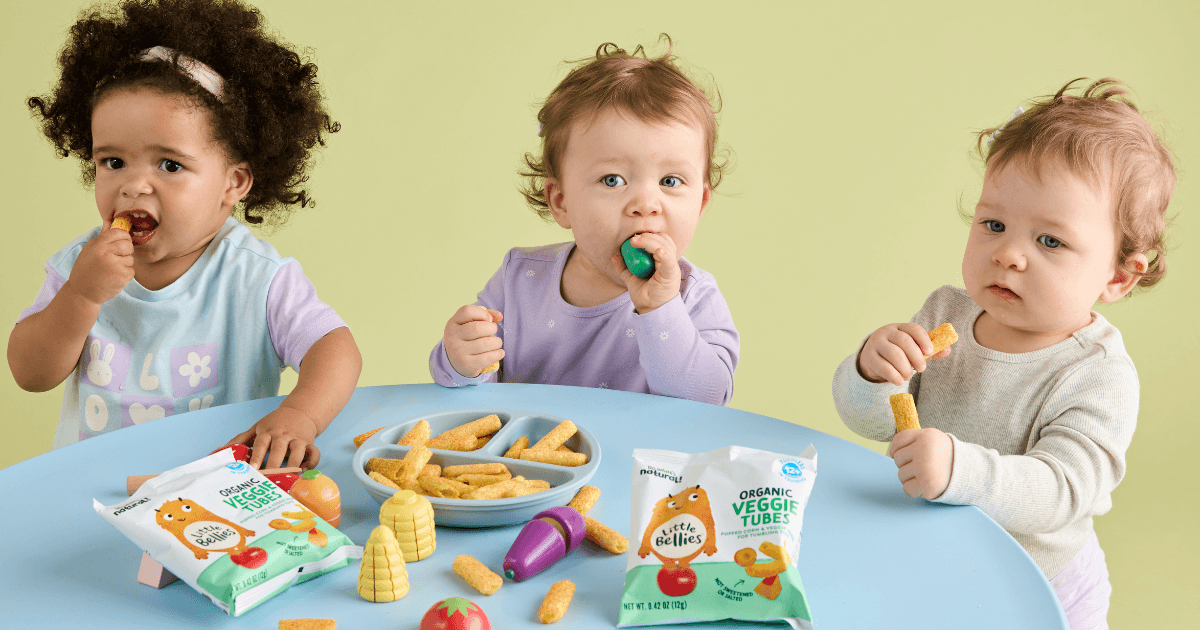
Food play is exactly what it sounds like—using food as part of play. And yes, even though many of us grew up hearing “don’t play with your food,” when it comes to picky eating, play is incredibly effective. Food play isn’t about getting your child to eat the food (though tasting may happen naturally over time). Instead, it’s about helping them explore food in fun, low-pressure ways using their other senses.
It’s completely okay for kids to play with food as they learn about different textures and smells. This could mean:
Food play is about interacting with food without the expectation of tasting it, because for many kids, tasting can feel like a very big step. Taste is one of our most intense sensory experiences, and for children who may be sensitive to new textures, smells, or unfamiliar foods, it can feel overwhelming or scary. Food play offers a lower-pressure way to explore food, and helps build familiarity before your child is ready to taste it.
Many children go through a stage (or two or three!) of picky eating, often around toddlerhood. Around the one year mark, some kids also develop food neophobia, a feeling of anxiousness or fear around new or unfamiliar foods. This is a normal developmental phase, but it can make introducing variety very challenging (and frustrating!).
If your child hasn’t seen broccoli in a while, it’s probably in the unfamiliar category. If dragon fruit suddenly appears on their plate and they’ve never seen it before, it may seem intimidating, especially if they feel pressure to eat it. This is where food play can help.
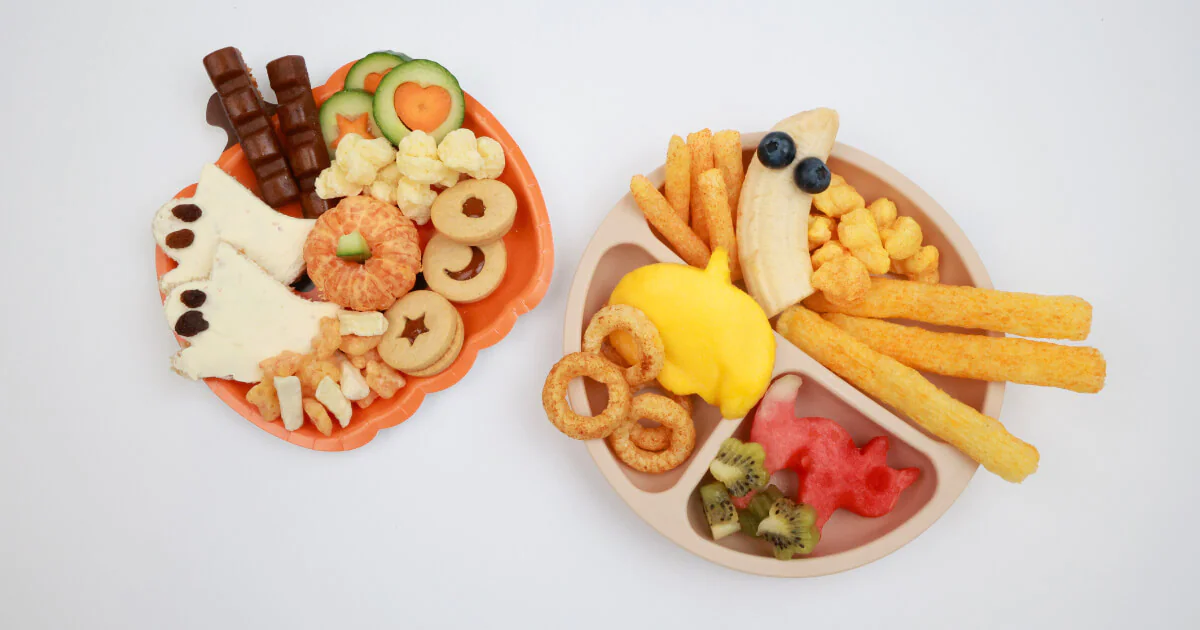
Food play allows kids to become familiar with food without the pressure of putting it in their mouth. They can explore it, touch it, laugh with it, and get comfortable around it first. Today your child may poke a kiwi. Tomorrow they may smell it. Next week they may slice it and stack it. Maybe they’ll taste it. Either way, the repeated, playful exposures make unfamiliar foods feel less scary and more familiar over time.
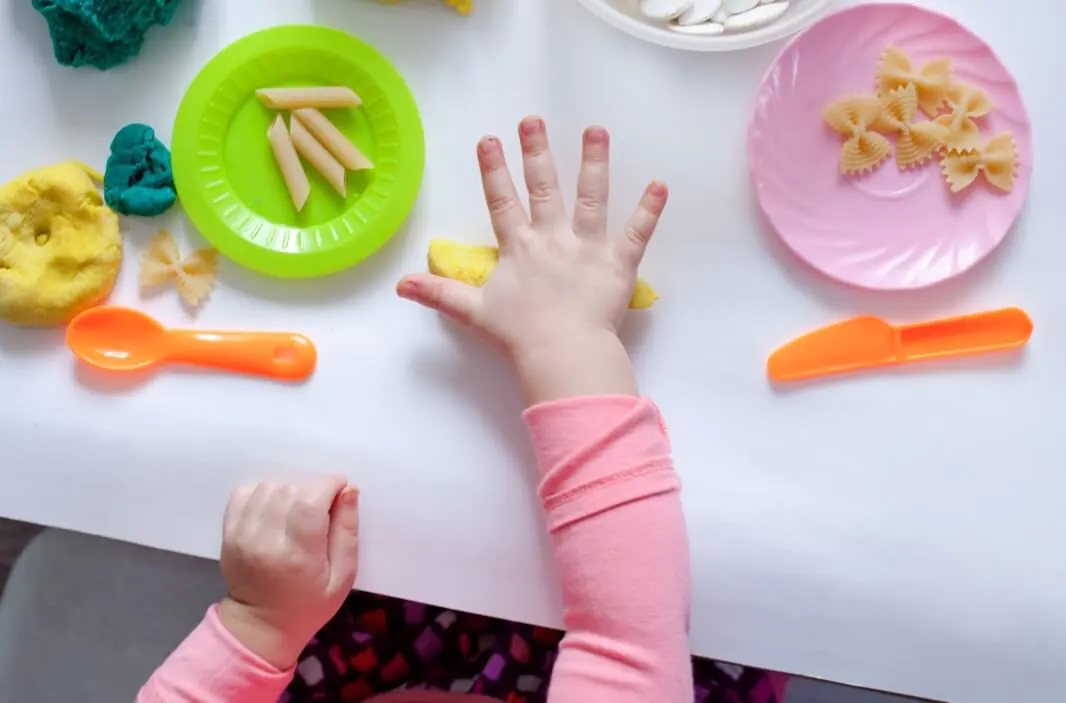
Kids learn about the world through their senses. Before they’re ready to eat a food, they often need to explore it first. In fact, the sense of touch (called tactile processing) may play an important role in accepting a wider variety of foods. Food texture play for toddlers can help them become more comfortable with different sensations, like squishy, crunchy, or soft foods. When children have opportunities to touch and explore food with their hands, they’re gathering information and building familiarity, which can make food more approachable.
Food play also supports feeding development in other ways, including:
Food play doesn’t have to be an elaborate activity or a giant mess in your kitchen (though it can be!). The key is to make it fun and low-pressure for both you and your child. Always keep your child’s age and development in mind, avoiding choking hazards and supervising your child closely during play.
Here are a few sensory food play ideas to try:
The moment food play starts to feel like an assignment or a test, it usually stops being effective. Kids are quick to pick up on pressure and they’ll likely pull back. That’s why the goal is to keep food play as relaxed and casual as possible, without any expectations.
Sometimes this means being flexible with where and when food play happens. If the kitchen table feels too tied to mealtime, move it outside in the backyard, on a picnic blanket, or to the play room. And if food play happens after dinner and bedtime ends up a little later than usual, that’s okay too. It doesn’t have to be perfectly scheduled or structured (in fact, the less structured, the better!).
Many parents look for toddler picky eating help when mealtimes start to feel stressful. If your child is extremely selective and avoids entire food groups, is not getting enough key nutrients, or you notice significant anxiety around mealtime, consult your pediatrician or a pediatric dietitian. They can assess whether your child is meeting their nutritional needs and offer personalized strategies to support a healthier relationship with food.
Food play is less about getting kids to eat and more about helping kids feel safe and comfortable around food. When children are given the space to explore food without pressure, they can use their senses to learn about it at their own pace, which is an important step in building long-term feeding confidence. And who knows, that stack of crunchy cucumbers may be your child’s future favorite lunchbox snack.
Little Bellies believes in doing what’s natural and as we all know, play is one thing that children do very naturally! By playing with their food, children are learning about the world and developing a more relaxed and positive association with a variety of foods. It engages their senses and stimulates their curiosity. They can squish, squeeze, and mold food, helping to develop their fine motor skills and hand-to-eye coordination.
Related articles: toddler breakfast ideas, food for picky toddlers, sweet potato baby food recipe, best fruits for babies and baby food with fiber to help fend off baby constipation.
Offer new foods alongside accepted, familiar foods. Kids are more likely to eat something new if they feel comfortable at the table.
Each meal should include protein, fiber, healthy fats, and a fruit or vegetable. This combination helps support growth, energy, and satiety, while also exposing your child to a variety of food groups, textures, and flavors.
There isn’t one single reason why kids become picky eaters, and it’s usually a mix of normal developmental changes. Around toddlerhood, kids start wanting more independence, and food is one of the easiest ways to show it. Saying “no” to certain foods can be their way of feeling in control.
Kids usually prefer foods that are predictable, and vegetables can be anything but. No two pieces of broccoli look or taste exactly the same. One might be earthy and crunchy and another bitter and mushy. That variation can feel uncertain compared to foods like crackers or store-bought waffles, which taste and feel the same every time.



Let’s Make It Official
Get the latest news on parenting tips, food play hacks, promotions and giveaways!
Subscribe Now