

Feeding Plan for 9 Month Old: A Simple Day-by-Day Guide
Reading time:
Reading time:

By: Dahlia Rimmon MS, RDN
By 9 months, you’ve likely settled into a comfortable rhythm with milk feeds and have spent the past few months introducing your baby to new foods, flavors, and textures. You may notice your baby reaching for food on your plate, becoming more confident with eating, or simply continuing with the routine they’ve had for months. At this stage, should you keep doing what you’re doing, or is it time to switch things up?
Great question, and I’m here to help. In this guide, I’ll walk through what feeding your baby at 9 months looks like, including milk feeds and solid foods. I’ll also share a sample 9 month old feeding schedule to help you feel prepared and confident as your baby moves into this exciting next stage.
Up until your baby is one year, the majority of their calories should come from milk feeds. At this stage, solid foods help support your baby’s growing nutritional needs, oral motor skills, and confidence with eating, but they’re still meant to complement milk feeds, not replace them.
Your baby should continue drinking breast milk and/or infant formula on their usual schedule and at their typical intervals. As they become more interested in solids and start eating a little more at meals, you may notice they naturally drink slightly less milk. That’s completely normal. In most cases, it won’t be as drastic as dropping an entire milk feed.
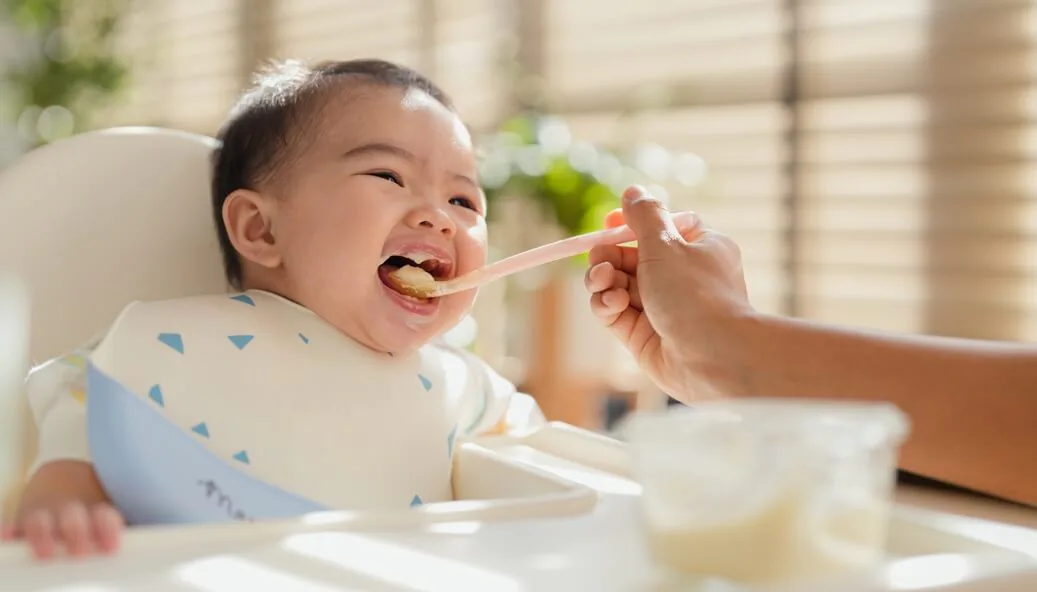
When it comes to solid foods, the goal is to fit meals into your baby’s day alongside their existing routine of milk feeds and naps (which can feel like a scheduling puzzle!). At 9 months, most babies are ready to enjoy two or three solid meals per day. These meals can include a variety of foods and textures as your baby continues building eating skills.
If your baby is currently eating two solid meals a day, start thinking about where a third meal could fit into their routine. Every baby’s schedule will look a little different, and the goal is to create a feeding rhythm that works best for you and your baby.
By 9 months, your baby is ready to explore a wider variety of textures and practice the skills that will help them become confident eaters. The months between 6 and 9 are an important window for introducing different flavors and textures, as babies are naturally curious and excited to learn how food feels and tastes in their mouths.
Offering a variety of textures helps build the necessary skills for independent eating, so this is also a great time to introduce finger foods, if you haven’t already. While every baby develops at their own pace, aim to introduce finger foods before your baby reaches 9 months. It can be more challenging for them to adjust to new textures after this age.
Here’s how introducing different textures helps your baby:
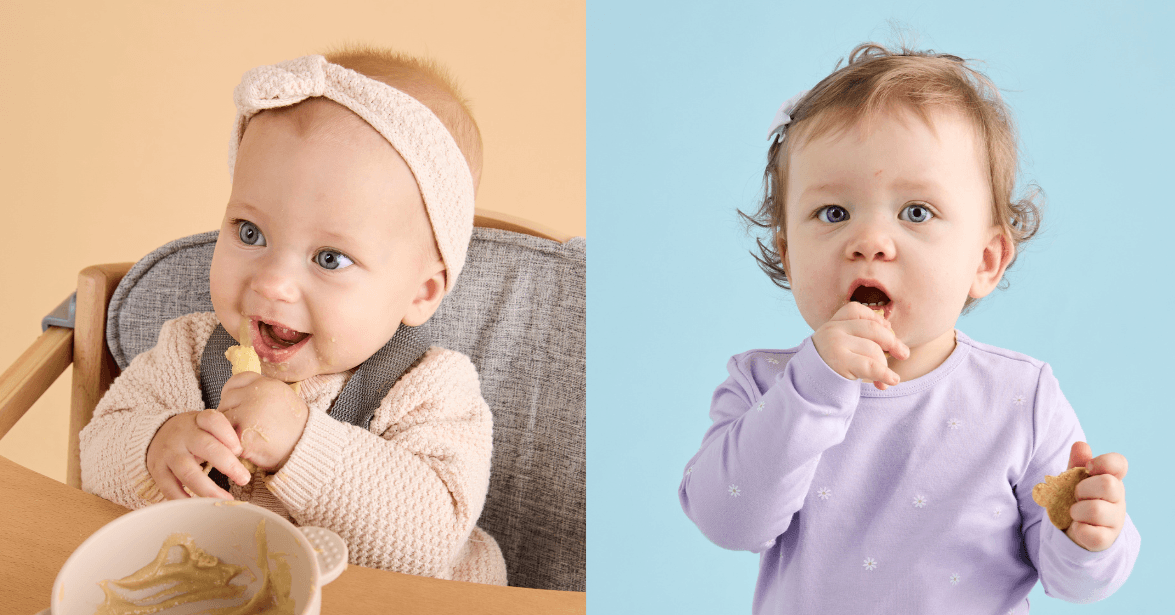
One way to introduce new textures and finger foods is by offering melt-in-your-mouth solids, like Little Bellies Pick Me Sticks and Puffs. These finger foods are designed to dissolve easily when mixed with saliva, so they’re a great option for babies who are learning to self-feed and explore new textures. At this age, your baby will start practicing the pincer grasp, the ability to pick up smaller pieces of food with the index finger and thumb. When choosing baby snacks for 9 months, look for age-and-stage appropriate shapes and textures. If your little one is ready to explore more flavors, 10+ months options like like Little Bellies Softcorn and Paws can help them continue building their grasping and self-feeding skills.
By 9 months, your baby is typically enjoying three solid meals a day, which gives them plenty of opportunities to explore a variety of foods. Each meal is a chance to offer different flavors, textures, and nutrients by including foods from different food groups.
You may also notice that your baby’s portions are slowly starting to increase. While they may have started solids just eating a few spoonfuls at a time, many babies begin eating larger portions as they become more comfortable with food and improve their eating skills. Keep in mind that a baby’s appetite can vary from day to day. Some meals or days they’ll eat smaller amounts, and other days your baby’s belly seems like a bottomless pit. That’s all completely normal.
Here’s an example of what a day of feeding might look like, including milk feed and solids for 9 month olds:
9 month old feeding chart
| Time | Feeding |
| 6:00 AM | Wake up + milk feed |
| 7:30 AM | Nap |
| 8:30 AM | Breakfast – Greek yogurt with chia seeds + Little Bellies Organic Apple & Cinnamon Puffs |
| 10:00 AM | Milk feed |
| 12:00 PM | Nap + milk feed |
| 2:00 PM | Lunch – Flaked salmon, roasted sweet potato spear, avocado |
| 3:00 PM | Milk feed |
| 5:00 PM | Dinner – Scrambled eggs, steamed broccoli spears, brown rice |
| 6:30 PM | Milk feed + goodnight |
It can take dozens of exposures for babies to become comfortable with new foods and textures. Here are some tips to help you along the way:
At 9 months, your baby is becoming a skilled eater. They’re practicing self-feeding, exploring new textures, refining their pincer grasp, and enjoying a greater variety of foods at mealtimes. As your baby continues through their first year, be sure to check out our 8-month feeding guide if you’re just getting started with finger foods, or our 10-month feeding guide to learn what comes next as your baby’s meals become even more varied.
Ready to support your baby’s feeding journey? Explore Little Bellies’ range of age-and-stage appropriate snacks, especially the baby food for 9 month old, which is thoughtfully designed to help your baby build confidence in eating, one bite at a time.
It’s best to avoid foods with added sugar for babies under two. Offering naturally sweet foods, like fruit, helps your baby develop a preference for a wide variety of flavors without relying on added sugars. Also, avoiding added sugar reinforces healthy eating habits.
It’s completely normal for babies to gag when they try new foods or textures. They are learning how to maneuver food in the mouth, chew, and swallow. Gagging is a protective reflex that helps prevent food from going down the wrong way.
Babies can start baby-led weaning (BLW) as early as 6 months, when they show signs of developmental readiness. BLW simply means your baby leads the way and self-feeds purees and/or soft, age-appropriate finger foods.
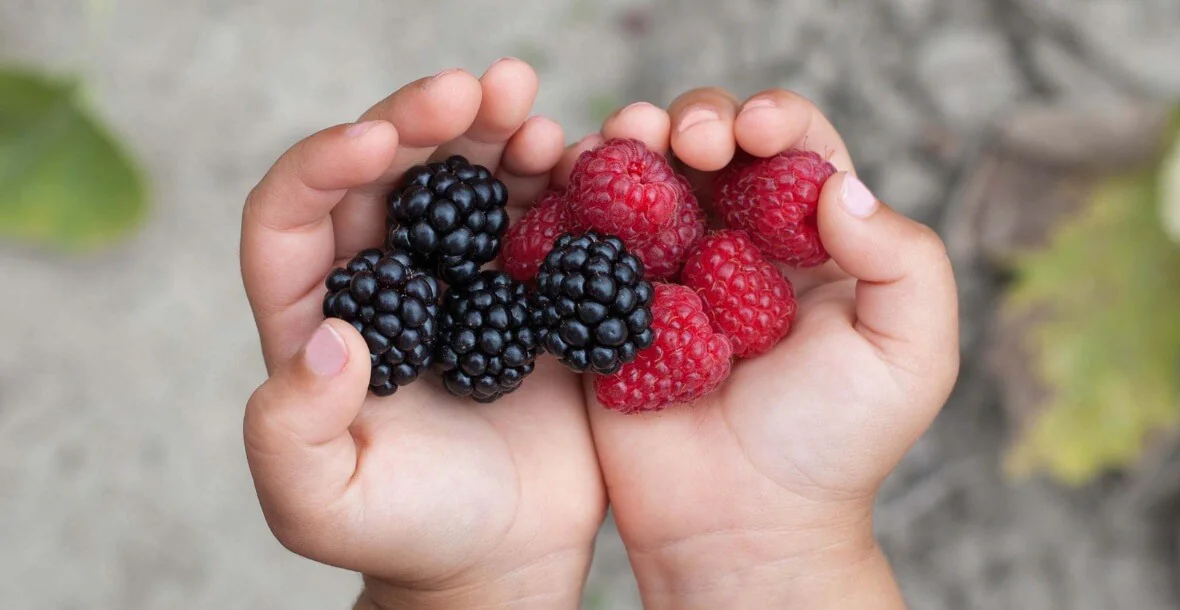
Babies develop the pincer grasp around the 9-month mark. This is the ability to pick up small pieces of food with the index finger and thumb.
Babies are excellent self-regulators. They eat when they’re hungry and stop when they’re full. Feed your baby as much as they want until they show signs of fullness, like turning the head away from the spoon, disinterest in food, or fussiness in the highchair.



Let’s Make It Official
Get the latest news on parenting tips, food play hacks, promotions and giveaways!
Subscribe Now