

11 Month Old Feeding Schedule and Meal Ideas: A Simple Day-by-Day Guide
Reading time:
Reading time:

By: Dahlia Rimmon MS, RDN
Key takeaways
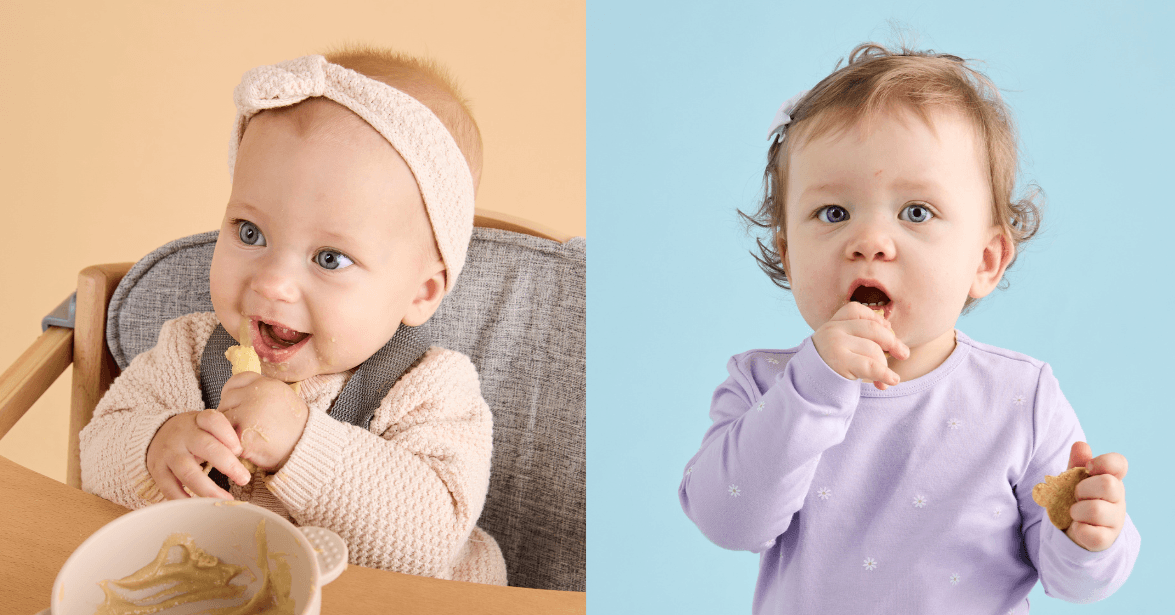
As your baby gets closer to their first birthday, mealtime starts to look a lot more like the rest of the family’s. By 11 months, your baby is likely eating a wider variety of foods, becoming more confident with finger foods, and showing more independence at the table. They may have strong opinions about what they want to eat and what they don’t (eep!).
With the many changes, it’s completely normal to wonder if their feeding schedule should change, too. In this guide, I’ll walk you through what an 11-month-old feeding schedule looks like, including how to balance milk feeds with solids, what a typical day of meals for 11 month olds may include, and a simple sample schedule to help you feel confident as you guide your baby toward their first birthday.
At 11 months, your baby is in a bit of a transition phase. They’re likely eating much more than they were when they first started solids, but milk is still their main source of nutrition until their first birthday. So while mealtimes are becoming a bigger part of their day, continue offering breast milk or formula on your baby’s usual schedule.
Think of this month as practice for what’s coming next. Around your baby’s first birthday, solid foods should be their primary source of nutrition, with milk shifting to more of a supporting role. With that in mind, most 11-month-olds are ready for three solid meals each day, in addition to their regular milk feeds. Meals should focus on soft, age-appropriate finger foods that are easy to pick up.
By 11 months, your baby has likely mastered the pincer grasp, the ability to pick up small pieces of food using their thumb and index finger. Continue serving soft, bite-sized pieces of food that your baby can pick up independently. The more opportunities they have to practice, the more they strengthen their fine motor skills and confidence at mealtimes.
At this age, you’ll also want to offer a balanced plate with three or four different foods at each meal. Including foods from different food groups helps provide a variety of nutrients while also exposing your baby to different flavors, colors, and textures. These small exposures add up over the course of the day, and are an excellent way to help your baby learn to enjoy new foods.
A simple way to build a feeding plan for 11 month old is to include:
| Food group | Examples |
| Protein | Shredded chicken, scrambled eggs, lentils, full-fat yogurt, salmon, low-sodium cottage cheese |
| Grain or starchy vegetable | Lightly toasted bread, sweet potato, potato, quinoa, whole grain waffles or pancakes |
| Fruit and vegetables | Mango, peach, strawberries, banana, broccoli, cauliflower, squash, zucchini |
| Healthy fats | Olive oil, avocado, thinned nut butter, flaxseeds, chia seeds |
While it’s great to offer a few different foods at each meal, don’t stress if every plate isn’t perfectly balanced. Some meals may be heavier on fruit, and others may only include two different foods, and that’s completely okay. Think about balance over the course of the day, instead of at each meal, which takes the pressure off mealtimes and still supports your baby’s nutrition.
While offering a variety of foods is an important part of helping your baby learn to eat, many textures and shapes are not safe for 11-month-olds. Babies are still learning how to move food around their mouths, so foods that are hard, sticky, chewy, or slippery can be difficult for them to manage and can increase the risk of choking.
A good rule of thumb is that foods should be soft enough that you can easily squish between your fingers. Examples of foods that need to be avoided or modified include:
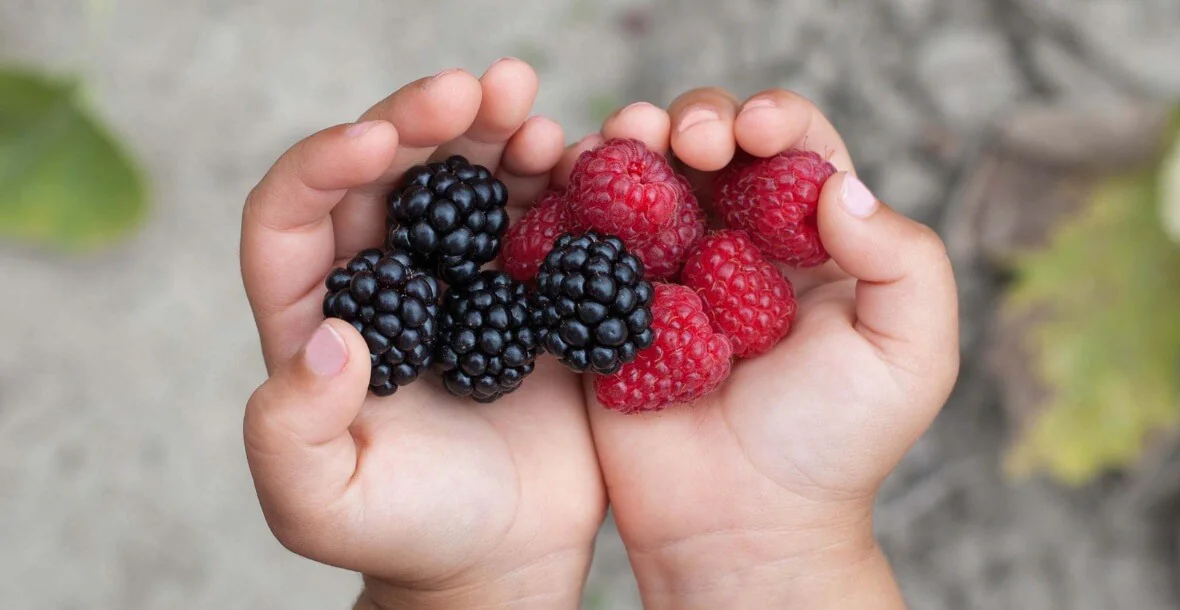
Food shape matters, too. Small, round foods can be especially risky because they can easily slip into a baby’s airway and become a choking hazard. Whole grapes, blueberries, cherry tomatoes, and chickpeas should always be modified (by cutting in half or quarters lengthwise) before serving.
Depending on the food, you can make these safer by:
Here’s an 11 month old feeding chart of what a day of feeding might look like, including milk feed and solids:
11 month old feeding schedule
| Time | Feeding |
| 6:15 AM | Wake up + milk feed |
| 7:30 AM | Breakfast – Greek yogurt with ground flaxseed and mashed banana + Little Bellies Organic Berry Yogurt Pick-Me Sticks for dipping |
| 8:30 AM | Nap |
| 9:30 AM | Milk feed |
| 12:00 PM | Lunch – Lentil cake, steamed cauliflower, peaches |
| 1:00 PM | Nap |
| 3:30 PM | Milk feed |
| 5:30 PM | Dinner – Shredded chicken, lightly toasted bread with mashed avocado, roasted butternut squash |
| 7:30 PM | Milk feed + goodnight |
Introducing new foods and textures is a learning process, and it takes time. Some babies need to see, touch, and taste a new food many times before they feel comfortable eating it. In fact, repeated exposure is completely normal during this stage, especially as your baby gets closer to their first birthday and may start showing stronger food preferences. In other words, picky eating is completely normal around this age.
If your baby turns away from a new food or texture, it doesn’t mean they don’t like it. Keep offering it in a low-pressure way and give them plenty of opportunities to explore. Here are some tips to help expand your baby’s palate:
At 11 months, your baby is becoming a more confident and independent eater. As your baby continues through this exciting stage, be sure to check out our 12 month feeding guide if you’re looking for the next steps in your baby’s feeding journey, or our toddler food and snack guide to learn what changes as your baby approaches their first birthday and beyond.
Ready to support your baby’s feeding journey? Explore Little Bellies’ range of age-and-stage appropriate snacks, like baby food for 11 month old Organic Carrot & Cinnamon Paws and Organic Yogurt Pick-Me Sticks, which are thoughtfully designed to help your baby build independent eating skills.
Babies are excellent at regulating their appetite. They naturally eat when they’re hungry and stop when they’re full. Let them eat as much or as little as they want, and they’ll give you cues when they want to stop the meal or continue eating. Hunger cues include smacking their lips or sticking out their tongue, and fullness cues include closing their mouth, no longer self-feeding, or becoming fussy in the highchair.
Babies under one year need 400 IU of vitamin D daily.
11-month-olds should practice eating a range of soft textures to strengthen their oral motor skills. Focus on soft finger foods for 11 month olds, like avocado pieces, shredded chicken, and Little Bellies Organic Carrot & Cinnamon Paws.
Little Bellies Organic Carrot & Cinnamon Paws and Organic Yogurt Pick-Me Sticks and simple mini meals made from whole foods are great toddler snack choices.



Let’s Make It Official
Get the latest news on parenting tips, food play hacks, promotions and giveaways!
Subscribe Now