

Seed Oils in Baby Food
Reading time:
Reading time:
By: Lauren Mahesri, RD, The Pediatric Dietitian.
Key Takeaways:
As a parent, it can feel overwhelming when it feels like there is conflicting information about nutrition and health for your kids. Seed oils have recently been surrounded by social media panic that isn’t always based on science.
So let’s break down the facts about seed oils in baby food, clear up common misconceptions, and share evidence-based guidance. With the right information, you can feel confident feeding your kids and supporting your family’s health.
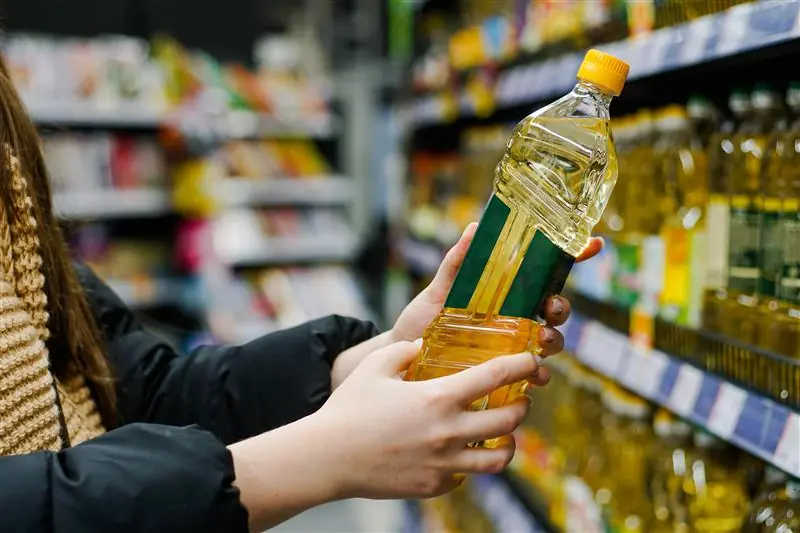
Seed oils come from the oil extracted from the seeds of plants like soybean, sunflower, safflower, flaxseed, pumpkin, sesame, and canola. The majority of foods you see at the grocery store and restaurants contain seed oils because they’re affordable, mild in flavor, and cook well at high temperatures.
Beyond being convenient, seed oils also have nutrition benefits. Most of the fats in seed oils are polyunsaturated, which can support heart health when used instead of saturated fats. They’re also rich in vitamin E, a powerful form of antioxidants.
Many people worry that seed oils cause inflammation, but this comes from confusion between how they work on a chemical level and their overall effect on the body.
Think of it like adding salt to a recipe. On its own, too much salt can be overpowering and even ruin the recipe, but in the right amount, it balances the flavors and helps the dish come together. Inflammation and seed oils work in the same way.
Seed oils contain omega-6 fatty acids, which can help the body respond to injury, illness, or even exercise, helping you to heal and stay healthy. These healthy fats are similar to the ones found in breast milk and help support your baby’s development.
Research suggests that a diet rich in monosaturated fatty acids like oleic may help reduce high cholesterol levels and the risk of heart disease.
At Little Bellies, we use high-oleic sunflower oil to protect the shelf life of our products to protect them from going rancid quickly. Our oil is mostly made up of oleic acid, a healthy monounsaturated fat. This makes the oil very stable, less likely to go rancid, and keeps flavors fresh. As we only use organic ingredients in our products, this oil is processed without any chemicals, also known as expeller pressed.
To protect the oil even further, we add a small amount of natural rosemary extract. Additionally, the oil used in our products is lightly sprayed on our puffed snacks after all heat processing is completed to help the fruit and veggie powders stick and give the snacks their light flavor.
Extensive research has shown that seed oils are safe and even beneficial for improving cholesterol and heart health. For example, one study of over 120,000 people found that eating seed oils was linked to a longer life span.
It’s true that seed oils can trigger inflammation, but it’s the good kind! Inflammation is the body’s way of responding to stress (like sickness, injury, or exercise). Large clinical trials show that seed oils do not raise harmful inflammation markers that cause disease.
Any food that’s changed from its original form is considered “processed”. This is an often necessary part of getting healthy foods to the table. The way seed oils are processed and the types of oils used are all carefully regulated to make sure they are safe to eat.
Seed oils are a major source of essential fatty acids which are required for normal growth and development in kids. Large studies consistently show that seed oils are safe and do not result in any harmful effects in children.
These oils are great to rotate through because each one offers different benefits. Switching between them helps provide a variety of healthy fats in your child’s diet.
These aren’t “toxic” or unsafe, but they are higher in saturated fats, which can affect cholesterol and heart health if eaten in large amounts.
These fats are mostly banned by the FDA because they are harmful to overall health. However, it’s still a good idea to check labels and avoid them when possible.
With so much information out there, it’s easy to feel overwhelmed or unsure about how to feed your family with confidence. Here are a few key takeaways to keep in mind:
Health comes from the pattern of what kids eat day after day, not one oil or food. A balanced plate with protein, fruits, vegetables, grains, and fats will always matter more than stressing over a single ingredient.
Each food brings something different whether it’s vitamins, minerals, fiber, or healthy fats. Offering a variety of foods helps cover all of your kid’s nutrient needs and keeps eating enjoyable.
When kids hear certain foods labeled as “bad,” it can create stress or guilt around eating. Focus on evidence-based guidance rather than trends or fear-based claims to help them build trust in their body and develop lifelong healthy habits.
Your kid’s nutrition can feel overwhelming, especially with the internet’s conflicting opinions. The bottom line is that seed oils are safe when used appropriately and can be part of a healthy diet.
As a parent, you set the tone for a positive relationship with food. Focus on offering a variety of foods, avoid labeling any single item as “bad,” and rely on evidence-based guidance rather than trends or fear-mongering claims.
Learn more with our Pediatric Dietitian’s Guide to Nourishing Your Toddler, Toddler Meal Ideas, and High-Fibre Foods for Baby Constipation and Introducing textures to babies, Toddler Breakfast Ideas.
Written by Lauren Mahesri, RD, The Pediatric Dietitian
Yes. Sunflower oil is a source of essential fatty acids that support normal growth and development in babies and toddlers. At Little Bellies we use high-oleic sunflower oil in our organic snacks, which is mostly oleic acid, a healthy monounsaturated fat that keeps flavors fresh and the product stable.
It is. Large studies consistently show that sunflower oil and other seed oils are safe for children and don’t cause harmful effects. The healthy fats in sunflower oil are similar to those found in breast milk and help support your baby’s development.
No, this is one of the more common myths circulating on social media. Sunflower oil isn’t toxic or harmful. Used as part of a balanced diet, it provides polyunsaturated fats and vitamin E, and can support heart health when it replaces saturated fats.
No. Seed oils are a major source of the essential fatty acids babies need to grow and develop. Extensive research shows they’re safe and can even be beneficial for heart health and cholesterol over time.
There’s no single best oil. The goal is variety and balance. Olive, avocado, sunflower, safflower, canola, soybean and flaxseed oils are all great to rotate through, with each one offering slightly different benefits. Your child’s overall diet matters far more than any single ingredient.




Let’s Make It Official
Get the latest news on parenting tips, food play hacks, promotions and giveaways!
Subscribe Now