

First foods and allergens: What to know as you begin
Reading time:
Reading time:
By Dahlia Rimmon MS, RDN
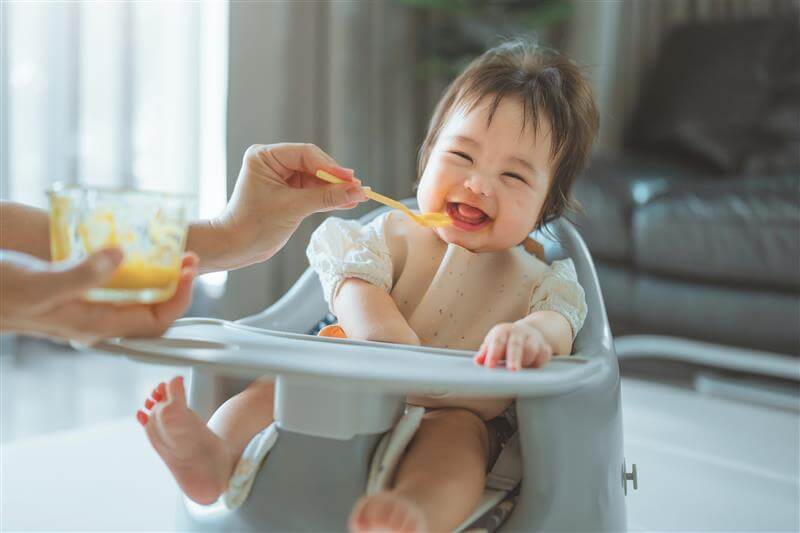
Starting solids is a milestone that feels equal parts exciting and nerve-wracking. It’s fun to watch your baby try new flavours and textures, but once you realise that starting solids also means introducing allergens, it can suddenly feel a bit overwhelming. How do you introduce allergens safely and what are you supposed to do if your baby has a reaction? These are great questions and you’re not overthinking it. Food allergies are fairly common, affecting about 1 in 13 children. So if allergens have been on your mind, you’re definitely not alone.
In this guide, we’ll walk you through what you need to know about food allergies in babies, how to introduce them, what reactions to watch for, and how it all fits into building a varied, balanced diet as your baby starts solids.
Allergens are proteins found in foods that can trigger a reaction in the body. For most people, these proteins are completely harmless. But for some, the immune system mistakenly treats them like a threat, which is what causes an allergic reaction.
While most foods are very well tolerated, the top nine allergens are a small group of foods that are more likely to cause a reaction. The common allergens for babies (and adults!) include:
This is one of the biggest questions parents have—and for good reason because timing matters. Introducing allergens to babies is important because research shows that early exposure can help lower the risk of your baby developing food allergies later on. So instead of waiting, the current guidance is to offer these foods around the same time you begin solids, around the 6 month mark.
But don’t just introduce an allergen once and check it off the list. If your baby tolerates an allergen, keep it in their diet. Regular exposure also supports allergy prevention, so aim to include allergens in your baby’s diet one or two times per week.
Introducing allergens is more manageable when you break it down into simple steps.
Pick one allergen and introduce it at home, earlier in the day. This makes it easier to monitor your baby and spot any reactions. Stick with one new allergen at a time so that if there is a reaction, you’ll know exactly which food caused it. Once you start, plan to offer that same allergen over the next 3 to 4 days.
Start with a tiny portion, such as ⅛ of a teaspoon. If your baby doesn’t have a reaction, you can gradually increase the amount the next day (for example, ¼ teaspoon and then ½ teaspoon).
After each exposure, keep an eye on your baby. Reactions can happen within minutes to a few hours after eating. If you notice anything concerning, stop offering that food and reach out to your pediatrician or allergist to talk through the next steps.
If your baby tolerates the allergen, the goal is to keep it in their diet a couple times a week to maintain exposure. Here are some ideas:
Here’s a sample food plan for babies who are starting solids and allergens with one meal a day.
| Day | Allergen | Meal |
| Sunday | Peanut | Oatmeal mixed thinned peanut butter |
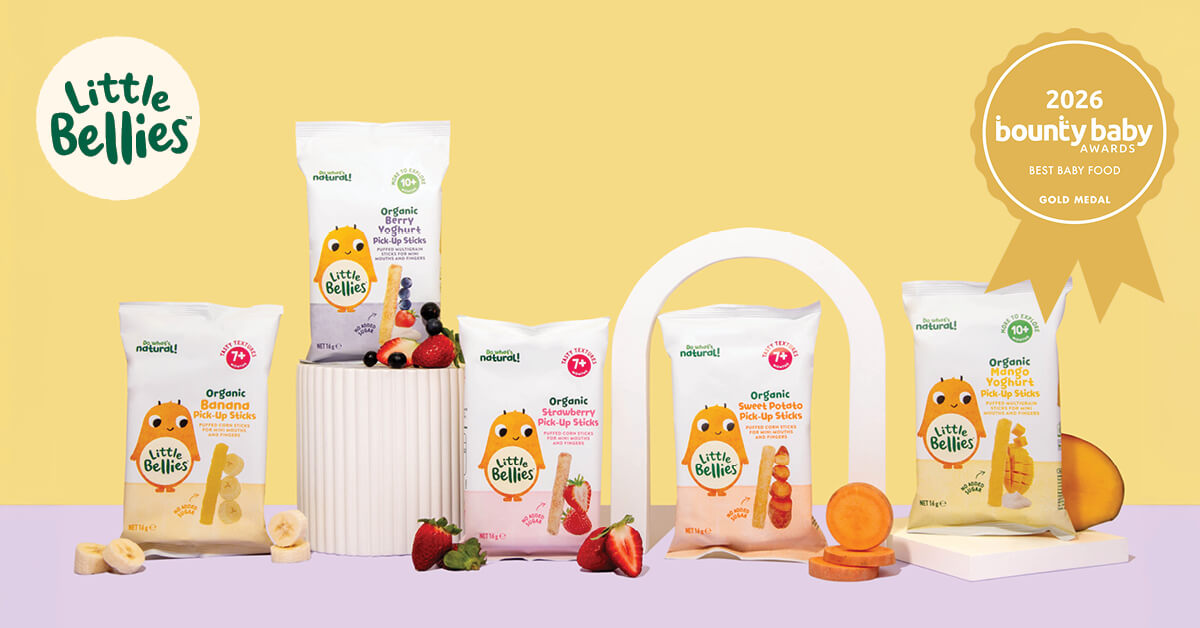
| Monday | Peanut | Thinned peanut butter with Little Bellies Organic Banana Pick-Up Sticks |
| Tuesday | Peanut | Thinned peanut butter on lightly toasted bread strips |
| Wednesday | Egg | Scrambled eggs with avocado slices |
| Thursday | Egg | Pureed hard-boiled eggs with sweet potato |
| Friday | Egg | Omelet strips with steamed broccoli floret |
| Saturday | Dairy | Unsweetened Greek yogurt with cinnamon |
One of the hardest parts about baby food allergies is that reactions don’t look the same. Some babies might have very mild symptoms, while others can have more serious or life-threatening reactions. That’s why it’s important to be prepared and know what to watch for.
Here are some common signs of food allergies in babies:
This is often the first thing parents notice. It can look like hives (raised, red bumps), swelling (especially around the lips, eyes, or face), or an itchy rash.
Your baby might have nausea, vomiting, diarrhea, or abdominal pain or discomfort.
Breathing difficulties are a true emergency. If you notice your baby wheezing or having any signs of anaphylaxis, call your local emergency number immediately.
Reach out to your pediatrician or allergist if your baby has any reaction to a food, even if it seems mild, or if you’re unsure whether what you’re seeing is an allergy. It’s also a good idea to chat with your doctor if your baby has severe eczema or a family history of food allergies, since they may need a more tailored approach to introducing certain foods.
Once you’ve introduced allergens, they don’t need to be treated as a separate or “special” category of foods. Instead, think of them as just another part of your baby’s overall, balanced diet. When your start solids, the overarching goal is as much variety as possible. You’re helping your baby explore different food groups, flavours, textures, colours, and nutrients. That’s what builds a balanced diet, and allergens fit right into that goal.
Many common allergens are nutritious foods. They all bring something different to the table, whether it’s protein, healthy fats, or other important vitamins and minerals. They also provide different flavour profiles and textures, which is a big part of helping your baby become a more confident, flexible eater.
If your baby has a food allergy, reading food labels becomes especially important. Once your baby starts eating packaged foods, you might notice phrases like, “may contain” or “processed in a facility that also contains” followed by a specific allergen. These phrases are designed to help families identify and avoid specific allergens.
In the US, some food manufacturers may voluntarily include advisory statements, such as “may contain” if there is a chance a food product could be exposed to an allergen. This can happen if the same equipment is used to make multiple products. Even if the equipment was cleaned, companies may still include “may contain” statements out of caution.
Food labeling laws can vary by country. For example, Little Bellies Organic Pick-Up Sticks (and other products in the 7+ months range) do not contain allergens in the ingredients. However, in Australia, these products have a “may contain” statement for wheat, gluten, milk, and/or soy.
Introducing solids and allergens is a chance to create fun, positive mealtime experiences (and get a little messy along the way!). It’s completely normal to feel cautious about allergens, but most babies handle these foods just fine, and if they don’t, you’ll know how to respond. Every new bite is one step toward helping your baby become a confident, curious eater, and you get to enjoy the messy, joyful journey along the way. So grab a bib, embrace the spills, and have fun!
If your baby has a reaction to an allergen, the first step is to stop offering that allergen and reach out to your pediatrician or allergist. They’ll take a detailed medical history, ask about what your baby ate, how much, and what kind of reaction occurred. They’ll also do a physical exam and either complete a skin prick scratch test or blood test to help determine whether your baby truly has a food allergy.
Don’t introduce a new allergen if your baby is sick or unusually fussy, since it can be difficult to determine whether any reaction is from the food or just how they’re feeling. Some illnesses can cause rashes or digestive upset that might look like an allergy. Similarly, certain foods, like citrus fruits or tomatoes, can irritate the skin and cause a mild, harmless rash, which isn’t the same as a food allergy.
A food allergy involves the immune system, where your baby’s immune system mistakenly sees a certain food as harmful, which can trigger more serious symptoms. A food sensitivity doesn’t involve the immune system and usually happens when the body has trouble digesting certain foods (like lactose intolerance), which can cause uncomfortable symptoms.
Breast milk isn’t a reliable way to introduce allergens to your baby. It’s best to offer allergens as solid food once they’re ready for solids.



Let’s Make It Official
Get the latest news on parenting tips, food play hacks, promotions and giveaways!
Subscribe Now