

Feeding Guide for a 10-Month-Old
Reading time:
Reading time:

This is a general feeding guide for a 10 months baby. Remember every little one is different! Since the process of starting solids is a transition period, it may take some time to learn your little one’s specific cues.
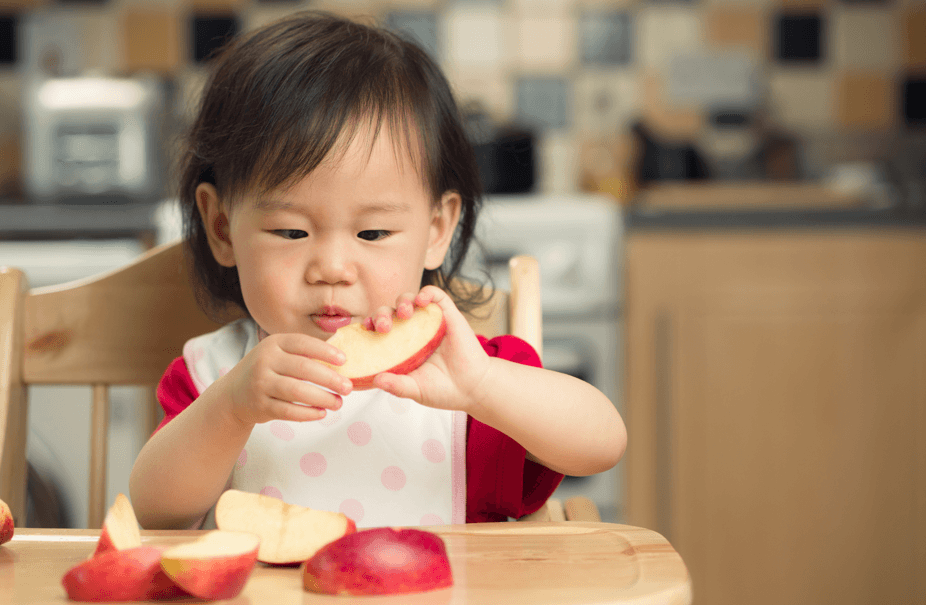
Around this age, it’s recommended to start advancing textures to lumpier or chopped foods, and or soft finger foods. Remember babies will often not eat a lot of the very first food, so start with small portions 1 tbsp or 1 small finger food. Remember, the majority of their nutrient needs will be met with milk feeds in the beginning and with time they will slowly eat more. You can read more in our other article Introducing Solids to Baby: A Guide for Parents.
Some first food ideas are sweet potato, beef mince patties, egg, broccoli, cooked pumpkin or squash, and banana. Don’t stress about them eating a specific amount, just follow their cues and know that you are offering multiple meals and also milk feeds.
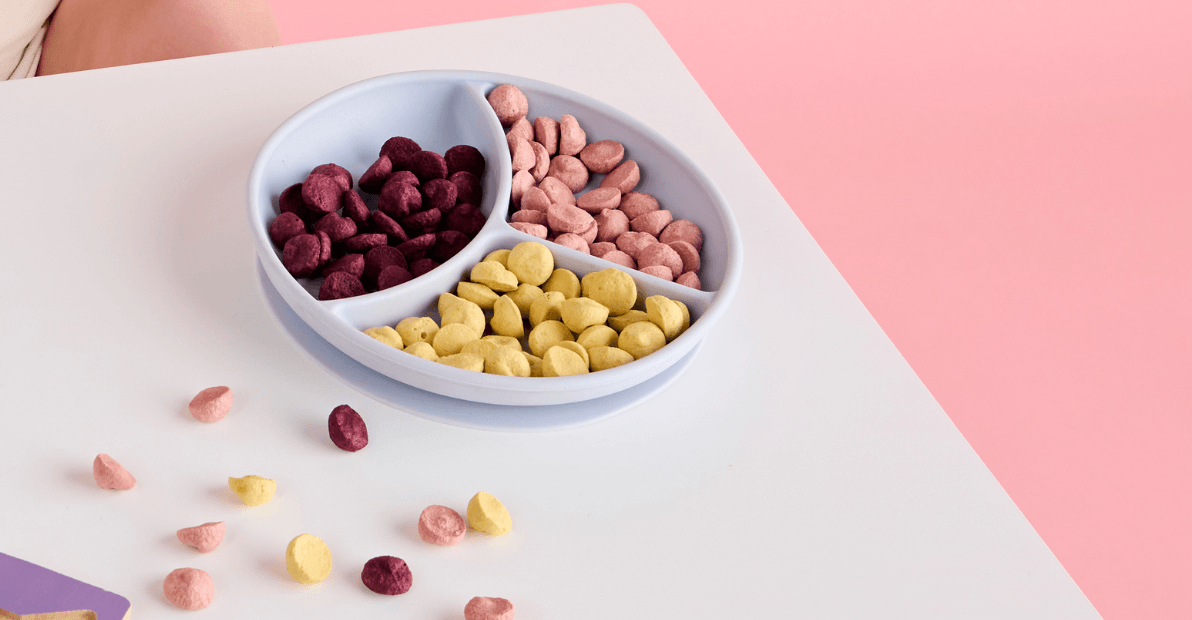
At 10 months you will be closer to having around 3 consistent meals per day, and some babies may benefit from a small simple snack like Little Bellies puffs as well. We recommend starting with one meal, then slowly increasing the meal amounts as your baby shows more interest or with time. This can look different for everyone!
Example:
Browse the full range of organic baby snacks for more age-appropriate options at this stage.
Even though we don’t expect them to finish everything on the plate, building a nutritionally balanced plate helps ensure your 10-month-old receives essential nutrients like carbohydrates, proteins, fats, vitamins and minerals. To introduce your baby to a variety of foods and also help them meet their nutrient needs try to build their plate with high energy, iron and zinc-rich foods and a rainbow of fresh, and preferably organic, fruits and vegetables.
Iron and Zinc-Rich Foods: meats such as beef, chicken, and turkey. Some plant-based sources are lentils, chickpeas, beans, and peas. You can offer tender meats in finger length strips cut parallel to the muscle grain so they easily flake apart which may help them learn to take bites.
You can also offer minced meat in patties or meatballs. If they have their pincer grasp you can also offer small chickpea-sized pieces of tender meats. For foods like chickpeas or beans, make sure they are cooked to be soft and smash them as they are considered choking hazards in hard and round shapes.
Energy-rich foods may be avocado, potato, sweet potato, yams, legumes, fats such as butter, ghee, olive oil, avocado oil, full-fat yoghurt, and cheeses.
Fruit/veggies: There’s really no limit on what fruits or veggies can be offered to babies as long as any inedible or poisonous membranes or seeds/pits are removed, as well as textures are modified or cooked to be soft and fork-tender.
Check out our best fruit and veggie guides for every age and stage.
It’s important to note that every baby is different, and individual dietary needs may vary. Before introducing new foods or making significant changes to your baby’s diet, it’s always a good idea to consult with a paediatrician. That being said, here’s a general example of a daily meal plan for a 10-month-old:
Breakfast:
Lunch:
Afternoon Snack (optional):
Dinner:
Notes:
Mid-Morning Snack (optional depending on your schedule):
For more New Zealand guidance on textures, amounts and allergenic foods, see KidsHealth NZ’s starting solids guide.
At this age, any food can be a snack. Sometimes this looks like an extra piece of fruit or some cheese, leftovers or a packaged snack. If you are shopping for a packaged snack we recommend ones that are sugar-free and very low in sodium (ideally salt-free). Little Bellies range of organic, unsweetened and salt-free snacks for 10+ months is a great option and to balance them out pair them with some shredded cheese or seasonal fruit.
Understanding your baby’s hunger and fullness cues is pivotal. Observing subtle signs, such as increased interest in food or turning away when full, helps establish a positive relationship with feeding. Responding to these cues fosters healthy eating habits in the long run.
Please reach out to a healthcare professional if you need an individualised plan as this is not a substitute for medical advice.
For more guidance on what to feed your baby as they transition into toddlerhood, please read Leah’s guide to healthy snacking.
Author: Leah Hackney, RD, LD, CSP @kids.nutritionist
Photo by Anastasia Shageeva on Unsplash
At 10 months, a typical routine is breakfast, lunch and dinner, with an optional small snack and breast milk or formula feeds through the day. Many babies move towards breakfast, lunch, snack and dinner at 11 months, and two snacks by 12 months. Every baby is different, so build up gradually and follow your baby’s cues.
There’s no single right amount. Start with about 2-4 tablespoons of each food per meal and offer more if your baby finishes. Appetite can vary a lot from day to day, so let your baby’s hunger and fullness cues guide portion sizes rather than a fixed target.
Good options include sweet potato, beef mince patties, egg, broccoli, cooked pumpkin and banana, offered in lumpier, chopped or soft finger-food textures. Aim to include an iron-rich food (like meat, lentils or chickpeas), an energy-rich food and some fruit or vegetables at each meal.
Avoid adding salt, sugar or honey to your baby’s food, and steer clear of choking hazards like whole nuts, whole grapes and hard raw vegetables. Introduce common allergy causing foods one at a time so you can watch for any reaction.


Let’s Make It Official
Get the latest news on parenting tips, food play hacks, promotions and giveaways!
Subscribe Now