

The Best Fruit for Your Baby at All Stages
Reading time:
Reading time:
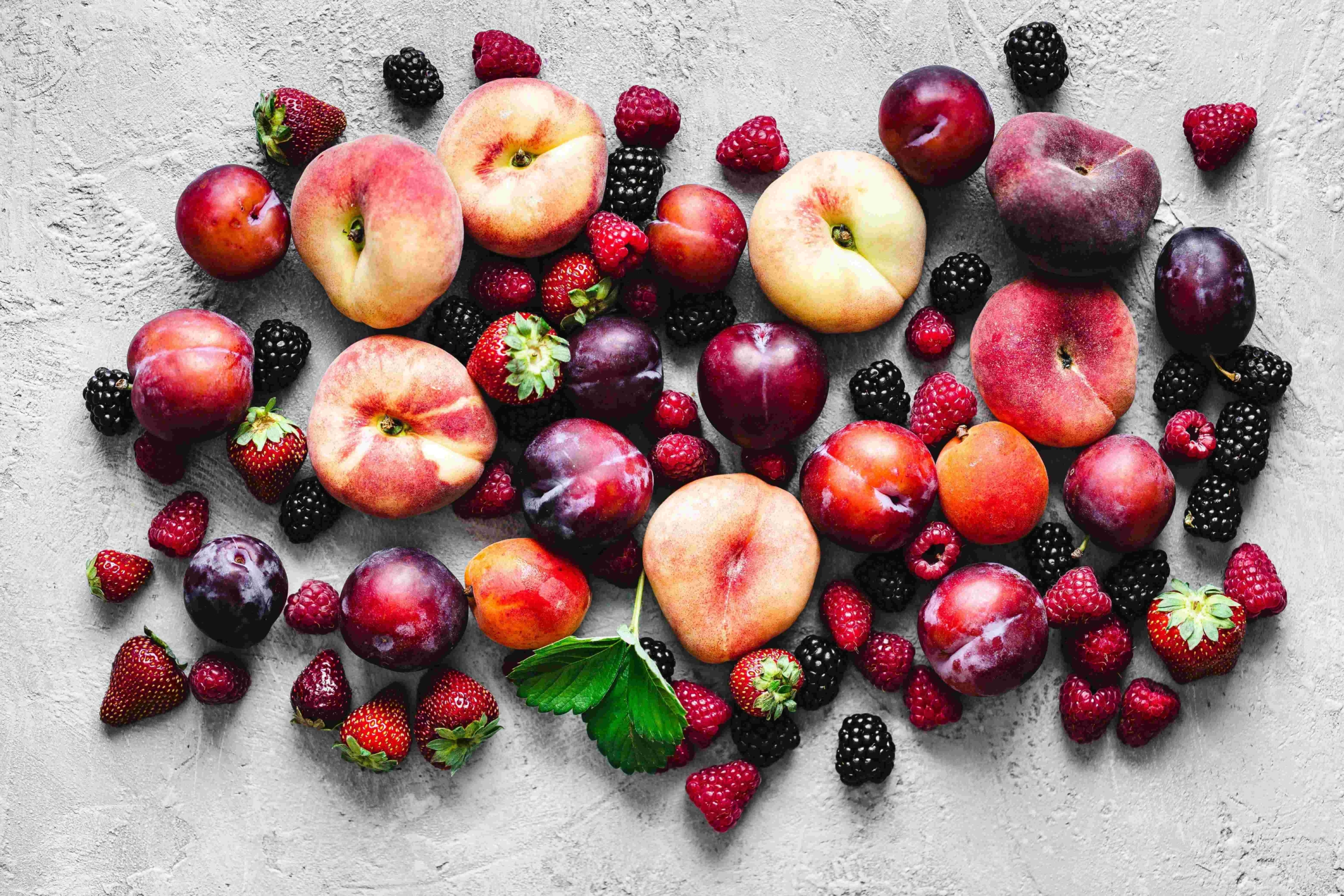
Fruits make amazing first foods for babies. Most of them have soft textures and sweet flavours. They are also highly nutritious and fibrous, providing many key nutrients that support your baby’s growth and development.
As your little one transitions from milk to solids, fruits will help to support this journey. That said, as you are thinking about which fruits to introduce, consider your baby’s stage alongside the nutritional value you want to get.
Starting solids is a major milestone. The best first fruits between 4-6 months have soft textures, mild flavours, and lots of nutrients. Our top picks include:
At 4+ months, aim for single-ingredient purees first to test reactions. Then gradually mix into yogurt, oats, natural yogurt and veggies for 6+ months babies to support the introduction of solids or introduce new flavours.
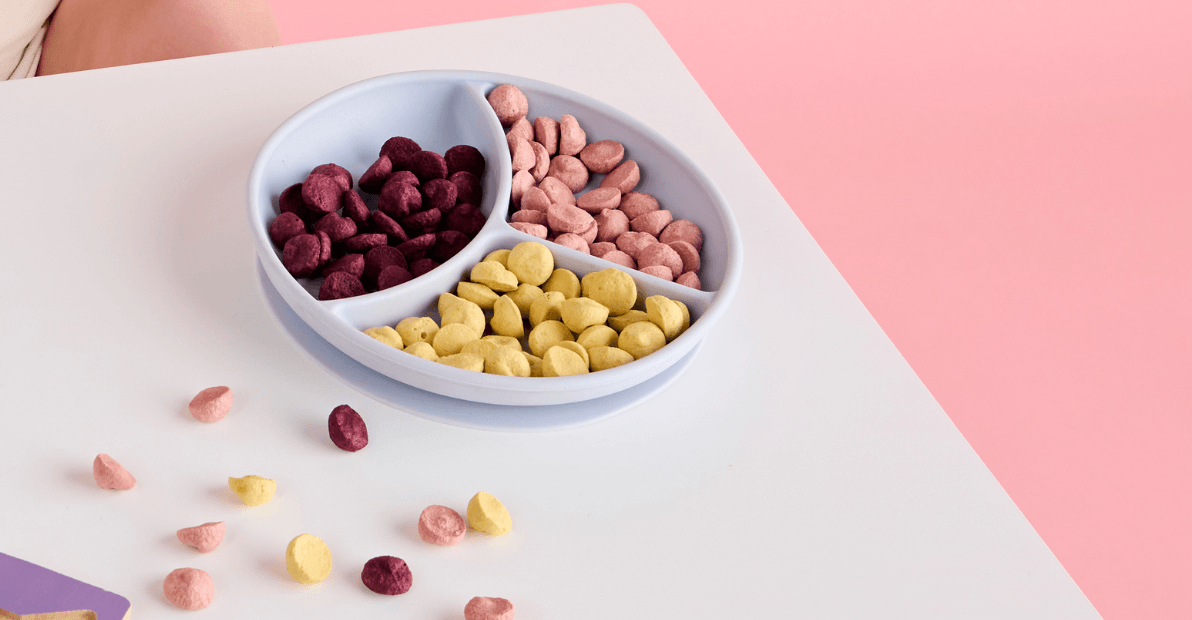
When your baby is ready to explore even more flavours and textures, consider offering snacks designed as finger foods. Try Little Bellies TASTY TEXTURES for 7+ months babies, learning to self-feed.
Browse the full range of organic baby snacks for more age-appropriate finger foods as your baby grows.
More thoughts and insights from Leah Hackney, RD, LD, CSP, to guide you through this exciting journey in her article Introducing Solids.
Baby-led weaning encourages self-feeding and exploration of different textures. Before starting baby led weaning, ensure your baby can sit up independently and has good core control. Opt for fruits that are easy to grasp and safe for your baby to handle. Here are a few top contenders:
For additional insights, read our article Baby Led Weaning – Tips for New Parents.
As babies master chewing skills, expand fruit options beyond purees. Prioritise vitamin C and antioxidant-rich selections like:
Offer new fruit in the morning so that you can monitor for a reaction and then you can offer the next new fruit the following day.
By 12 months, toddlers can enjoy most fruits cut into pieces, wedges, or strips for grasping, biting, and chewing practice. Focus on nutritious variety:
Toddlers need repeated exposure to appreciate new flavours. Be patient and creative in fruit presentations. Avoid force feeding and offer praise for trying new items.
For continued snacking through toddlerhood, explore the full range of toddler snacks.
Here are a few great immune-boosting choices:
Beyond selecting the most nutritious fruits for every stage, keep these age-specific tips in mind:
Pairing the right fruits with your baby’s evolving motor skills ensures safe exploration and healthy nutrition during the intricate transition to solid foods.
There are some fruits that you should avoid giving to your baby, either because they are allergenic, acidic, or choking hazards.
Banana and avocado are two of the most popular first fruits. Both are soft, mild, easy to digest and unlikely to trigger allergic reactions, which makes them a gentle starting point before branching out to berries, stone fruits and tropical fruits.
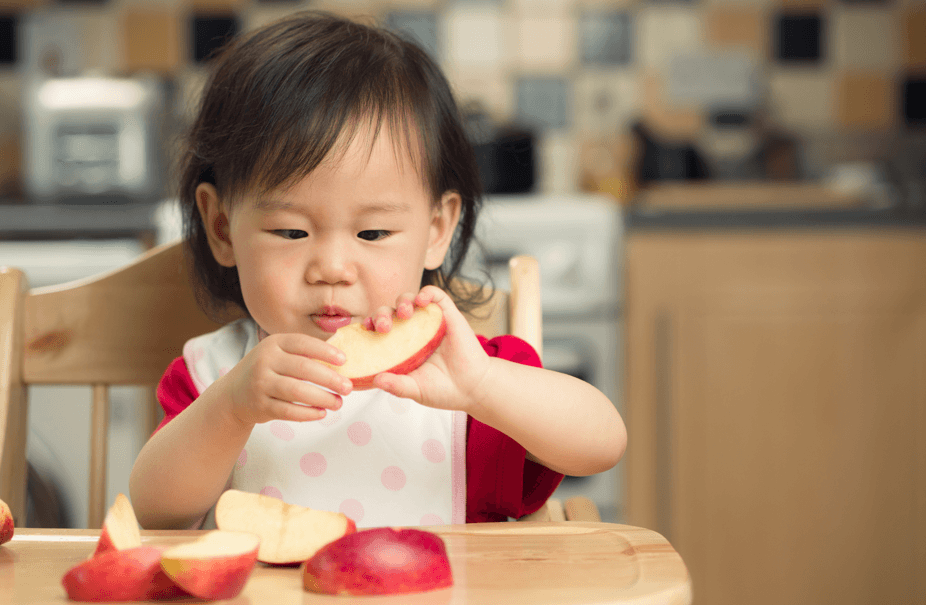
At around 7 months, most babies can enjoy soft, mashed or finely chopped fruits like banana, avocado, pear, peach, mango and papaya, as well as cooked apple. If your baby is sitting independently, soft finger foods such as banana slices, steamed apple wedges and papaya strips are great for self-feeding practice.
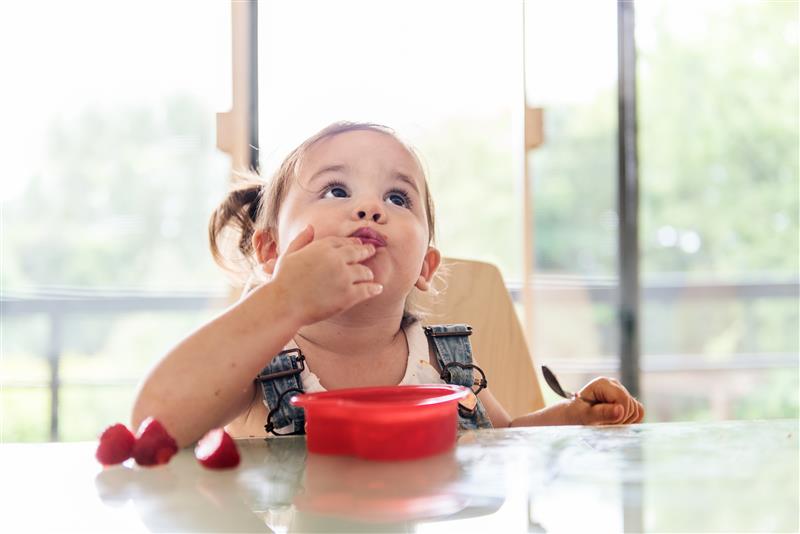
From 12 months, toddlers can enjoy most fruits cut into safe pieces. Strawberries, cherries (pitted), quartered grapes, watermelon and rockmelon are all great picks, along with vitamin C-rich kiwi and orange segments. Keep offering a rainbow of fruits and don’t worry if some take a few tries.
Whole grapes are a choking hazard and should never be offered to babies or young toddlers whole. Always cut grapes lengthwise and then into quarters before serving, and stay close by while your child eats.
When thinking about what fruit to get your little one, the most important factors to consider are nutrient density and age appropriateness. Make sure the fruits that you offer your child have easy-to-digest textures, especially in those early months. Aim for a rainbow of colours as chewing skills allow.
For our master list of best veggies for your baby, read our article The Best Vegetables for Your Baby at All Stages.
Photo by Sahand Babali on Unsplash



Let’s Make It Official
Get the latest news on parenting tips, food play hacks, promotions and giveaways!
Subscribe Now