

Feeding Tips and Packing Essentials When Travelling with Your Baby
Reading time:
Reading time:
By Dahlia Rimmon, MS, RDN
Travelling with a baby is no small feat. You’re juggling a pram that somehow never folds the way it’s supposed to, a nappy bag bursting with wipes, nappies, and extra outfits for that inevitable stinky blowout, and sweating through your shirt because you’re also carrying their blanket, lovey, and three bottles. And just when you think you’ve got it all together—bam!—you remember you still have to figure out how to feed them. What’s actually going to work on the plane? What will they eat once you get there? Cue the overwhelm.
As a mom of three kids under six and a paediatric dietitian, I get it—I’ve been there. I know how stressful it is, but I also know how important it is to keep your baby well-fed while travelling. Because here’s the thing: hungry babies are fussy babies. And fussy babies make sightseeing, beach days, or enjoying a quiet meal feel totally impossible. In this article, I’m sharing my best baby travel feeding tips so everyone (yes, even the tiniest travelers) can enjoy the trip.
The first step is preparing yourself so you feel well-equipped for the journey ahead. Let’s start with travelling with babies on a plane.
Travel days rarely run on your baby’s usual schedule, and whether your trip is three hours or eighteen, it can feel frustratingly long for all of you. A little feeding strategy can make a big difference when flying with a baby. Think through key points in your travel day like airport security, boarding, and time in the air, and schedule meals or snacks to help keep your baby calm and comfortable during these transitions. These baby feeding tips on planes help make travel smoother for everyone.
For example, offer a few Little Bellies Pick-Up-Sticks (for babies 7+ months) while waiting in the security line, or nurse or offer a bottle right before boarding. On the plane, plan for two to three snack breaks (depending on the flight length) and always pack extra in case of delays. Creating a loose feeding schedule for travel days helps you stay one step ahead and prevent that dreaded meltdown right as the seatbelt sign comes on.
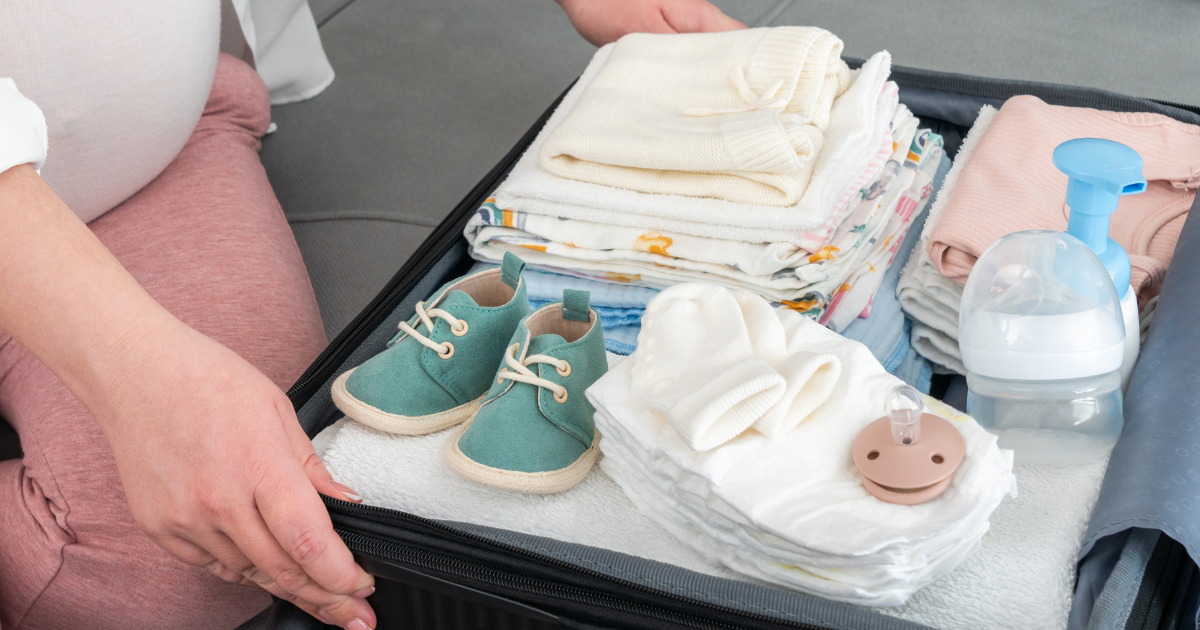
Having the right feeding supplies can make all the difference when travelling with your baby. A well-thought-out packing list ensures you’re ready for anything—from mid-flight hunger pangs to unexpected delays. Here are some feeding essentials to include in your carry-on: Packing these travel feeding essentials ensures you always have baby snacks and meals covered.
Travel high chair or booster seat: If your destination does not have baby seating (can be packed in checked luggage).
Bottles: Bring enough for the trip plus an extra or two.
Formula: Pre-measured portions, along with filtered water for mixing.
Manual breast pump: I suggest packing it in your carry-on, just in case.
Travel-sized bottle cleaning rack, soap, and bottle brush: You can pack this in your checked luggage.
Bibs: Preferably wipe-clean options.
Self-feeding spoons: Helpful if your baby is doing baby-led weaning (BLW).
Jarred or homemade baby food for travel: Australian Border Force allows baby food in carry-on bags in reasonable quantities.
Little Bellies puffs: Wholesome and convenient snack options.
Baby water bottle: Add filtered water before the flight.
Burp cloths: Always pack two or three.
Wipes: For cleaning hands, faces, and the tray table.
Hand sanitizer: To clean your hand when soap and water isn’t available.
Cooler bag with ice packs: To keep extra food or pumped milk safe.
Silicone feeding mat for feeding surfaces: To cover questionable feeding surfaces.
Once you arrive, planning how to feed your baby at your destination is just as important as preparing for travel. Figuring it out will depend on where you’re staying and what resources are available. Whether you’re feeding your baby at a hotel, resort, or Airbnb, knowing your options makes life easier.
If you’re staying at an all-inclusive resort or hotel, it’s a good idea to call ahead and ask about baby-friendly options. Some hotels provide high chairs and baby food. Others may provide a baby-friendly menu at their restaurants. Knowing what’s available in advance helps you avoid last-minute stress at mealtime.
If you’re staying at a vacation rental, you’ll need to plan for grocery shopping. Before you arrive, look up nearby supermarkets, specialty stores, or baby supply shops so you know where to stock up. Grocery delivery services may also be available. Make a list of staples your baby will need like formula, baby food, easy-to-prepare finger foods, snacks, and any typical foods that match their usual diet.
In many cases, you may need to bring some of your own food or formula, especially if your baby has specific dietary needs or if you’re unsure what will be available locally (and if your baby is formula-fed I recommend bringing enough formula for the trip, just in case). Packing travel-sized or shelf-stable products can ensure you always have something on hand.
I’m always on the lookout for tips that make travelling easier with babies, so I’m sharing my top strategies for keeping them happy and fed while you explore new places. These on-the-go baby feeding tips will help keep little ones happy with baby travel snacks and easy meal ideas.
Pack extra formula: This is especially important if you’re travelling with babies internationally or are a type-A parent (like me!) who’d rather have the formula your baby prefers than worry about finding it in a new country.
Embrace variety: A new destination means new foods, dishes, and flavours. This can be a great opportunity to expose your baby to new cuisines, spices, and textures (as long as they are age-appropriate and safe).
Bring a side-sided cooler: If you’re planning long day trips or spending hours by the beach, a cooler helps keep bottles, snacks, and other perishables fresh and safe.
Book a room with a mini-fridge: Keeping bottles, breast milk, and perishable foods cold is much easier if you have a fridge in your room. If that’s not an option, a well-iced cooler can do the trick.
Stay hydrated: Travelling can be exhausting, and breastfeeding parents need extra fluids to maintain milk supply, especially in tropical or warm weather.
Adapt meals when options are limited: If nothing on the menu is suitable for your baby, ask your server for a hard-boiled egg, a banana, or avocado slices. These can be mashed or cut into small pieces.
Pack snacks: Always keep a stash of age-appropriate snacks on hand for unexpected delays.
Try to adjust to different time zones: Gradually adjust feeding schedules if you’re travelling across time zones.
Prepare for the unexpected: Knowing that delays, limited food availability, or changes in schedules happen all the time can make these situations much easier to (mentally!) handle.
Travelling with your baby can be challenging, but it’s also a wonderful opportunity to create positive feeding experiences that support healthy habits. Maintaining a balanced (and flexible!) routine, offering familiar foods, and gradual transitions can make mealtime on the go more enjoyable for everyone. I hope these tips help your trip be full of smiles, yummy bites, and memorable moments, so your family can keep exploring, learning, and eating well together. With these feeding tips while travelling, you can help your baby enjoy mealtimes anywhere.
Let’s Make It Official
Get the latest news on parenting tips, food play hacks, promotions and giveaways!
Subscribe Now